Get a closer look at every layout included in the Montegrappa Template. Each homepage variation is designed for clarity, flexibility, and performance—so you can choose the one that best fits your needs.







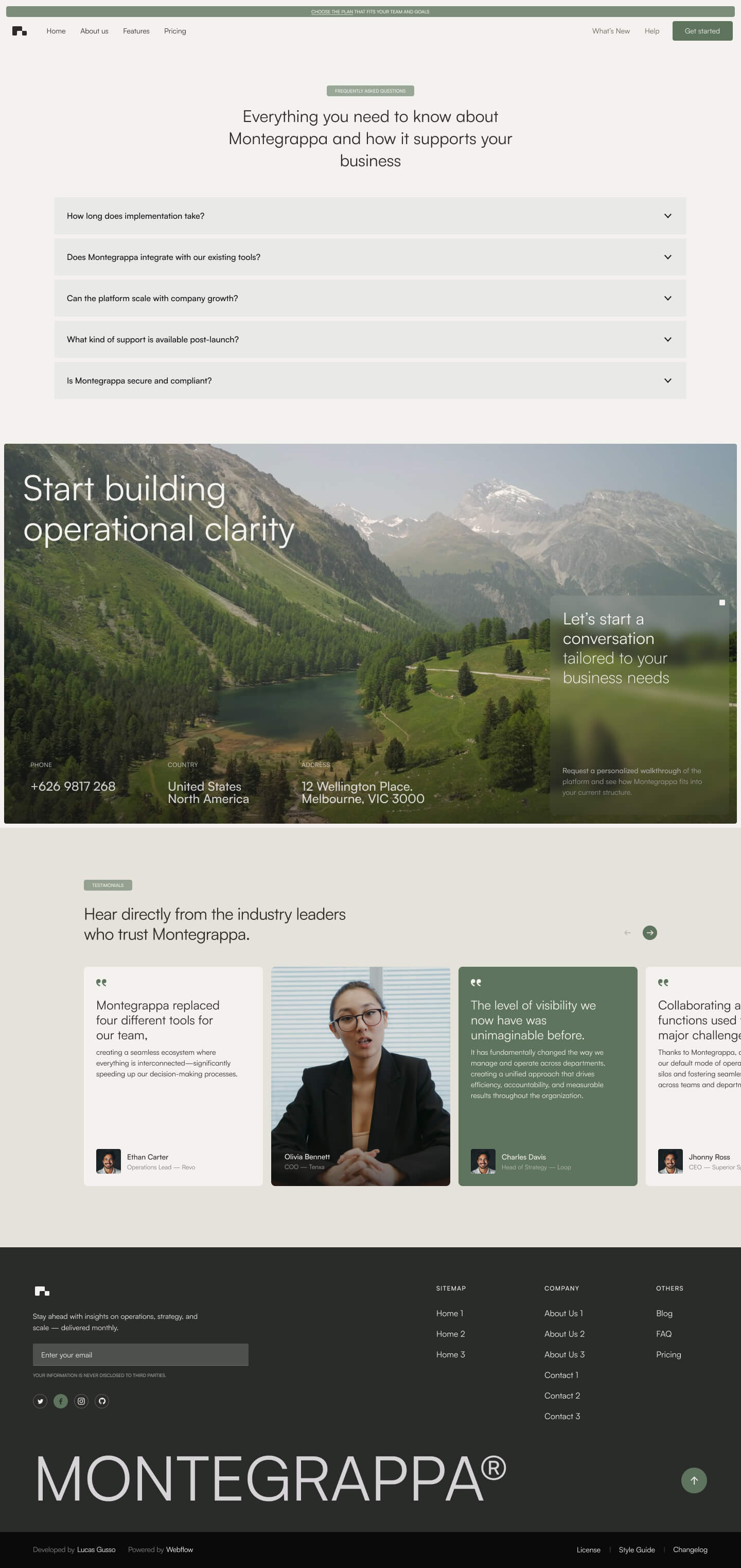
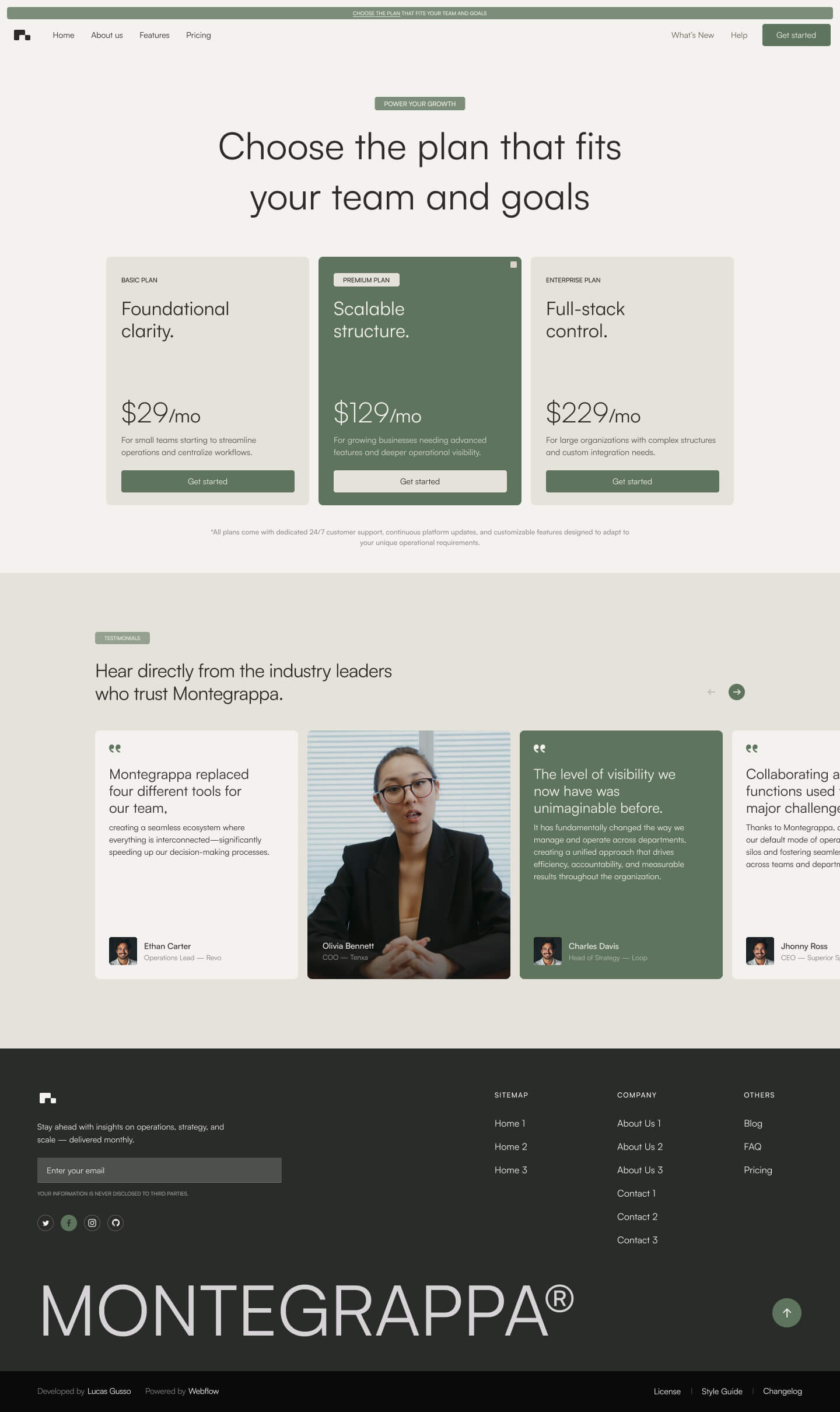
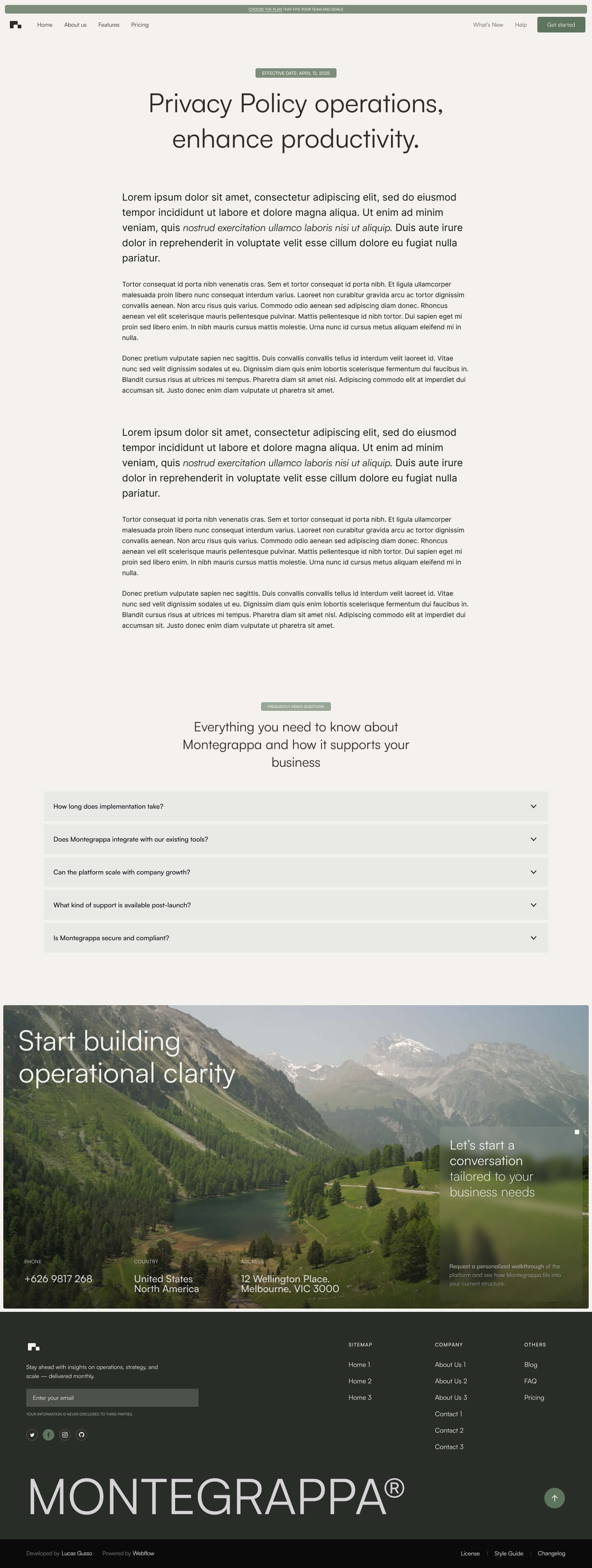
Send us an email to lucas.gusso@gmail.com with your purchase receipt, and we will send you the editable Figma file for the Montegrappa Template.
.svg)
Cochlear Implant Surgery Simulation Suite
Clinical Research
Context
If pediatric patients with hearing loss do not respond to hearing aids, cochlear implants may be used to restore hearing. While this care is available, the surgery is associated with a high risk of complications. The best method to reduce surgical complications is to provide extensive training to surgical trainees, although it can be difficult due to time constraints and limited training opportunities. Surgical simulations increase the accessibility of surgical education, and offer a safe environment for surgical trainees to perfect their skills with real-time feedback. This study aimed to evaluate both physical and digital 3D models of patients' temporal bones as surgical training tools to help prepare surgeons to effectively conduct cochlear implantations.
Process
CardinalSim was developed as an otorhinolaryngology surgical simulation environment. While the platform has been validated, no study has evaluated it for preoperative simulation for pediatric cochlear implantation surgery. The collaborative team for this study conducted this evaluation.
Surgical cases were selected for this study, and families consented to their children’s scans being utilized for surgical simulations. With CT scans acquired, the Digital Lab created both virtual and 3D printed models of the patients’ temporal bone to be evaluated as a training tool. During this study, participants were evaluated by completing a simulated cochlear implantation surgery on both the CardinalSim virtual reality (VR) simulation and the printed 3D model. The VR simulation included a handheld haptic device to control a simulated drill. After completing the simulations, participants completed user experience surveys to evaluate numerous features including measures of the: anatomical accuracy, haptic feedback, ergonomics, depth perception, surgical planning utility, and overall learning utility. Further, staff surgeons completed competency evaluations to assess the performance of trainees.
Within a week of the simulations, the surgical team completed the real surgery on the patient. Following the real surgical procedure, participating surgeons completed a clinical impact assessment. The objective of all of the evaluations was to establish the validity of the VR surgical simulation and the 3D printed temporal bone models as clinical and educational tools.
Findings
Both the CardinalSim and 3D printed temporal bone surgical simulations show promise for improving surgical education. Both the face and content validity of the CardinalSim and 3D printed models were achieved in the majority of tested domains. While both tools showed benefits, the 3D printed models were favored by participants as they provided a more realistic training tool. Surgical trainees felt that these tools were useful for surgical planning and better understanding patient anatomy.
Funding Information
This study was funded by the Evidence to Innovation seed grant at the BC Children's Hospital.
Impact
This study suggests that while more evaluation needs to be conducted, patient-specific CardinalSim and 3D printed models are good options to use in preoperative planning, practice, and teaching for cochlear implant surgery.