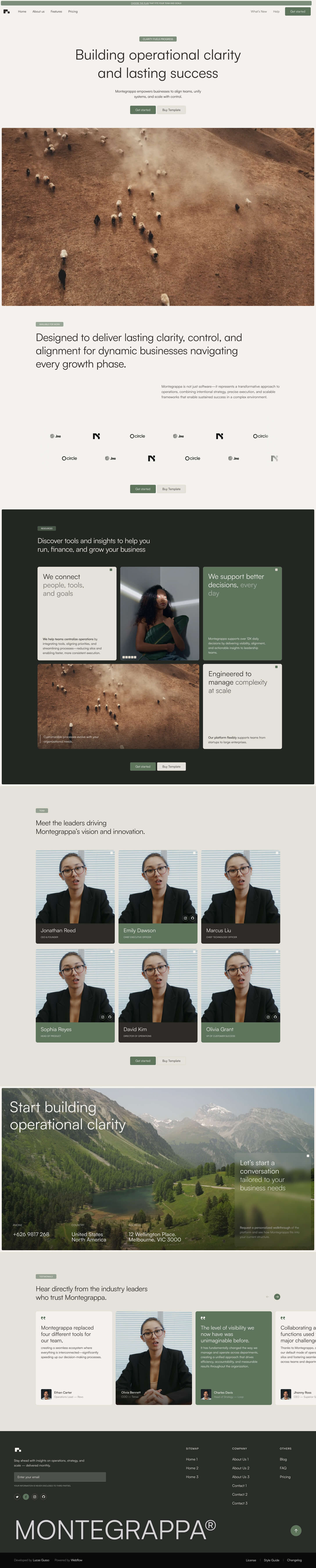
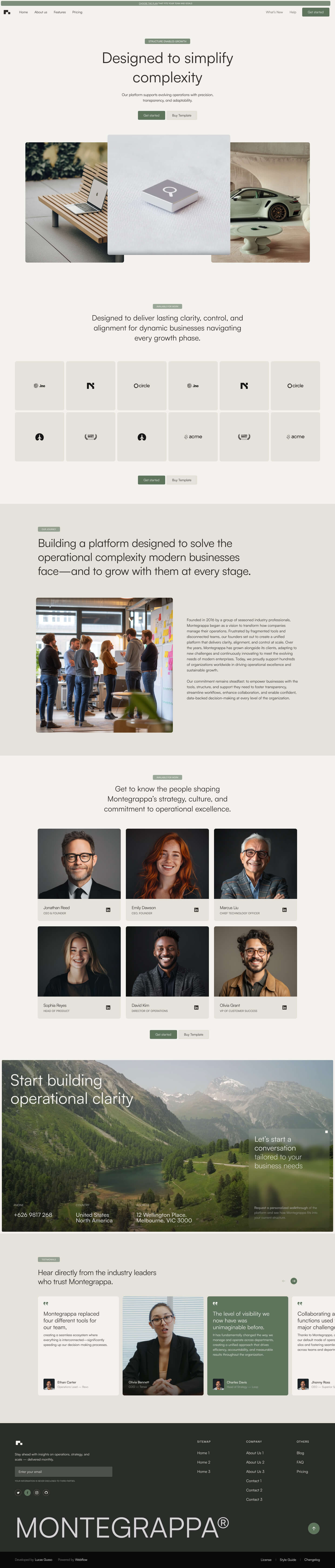
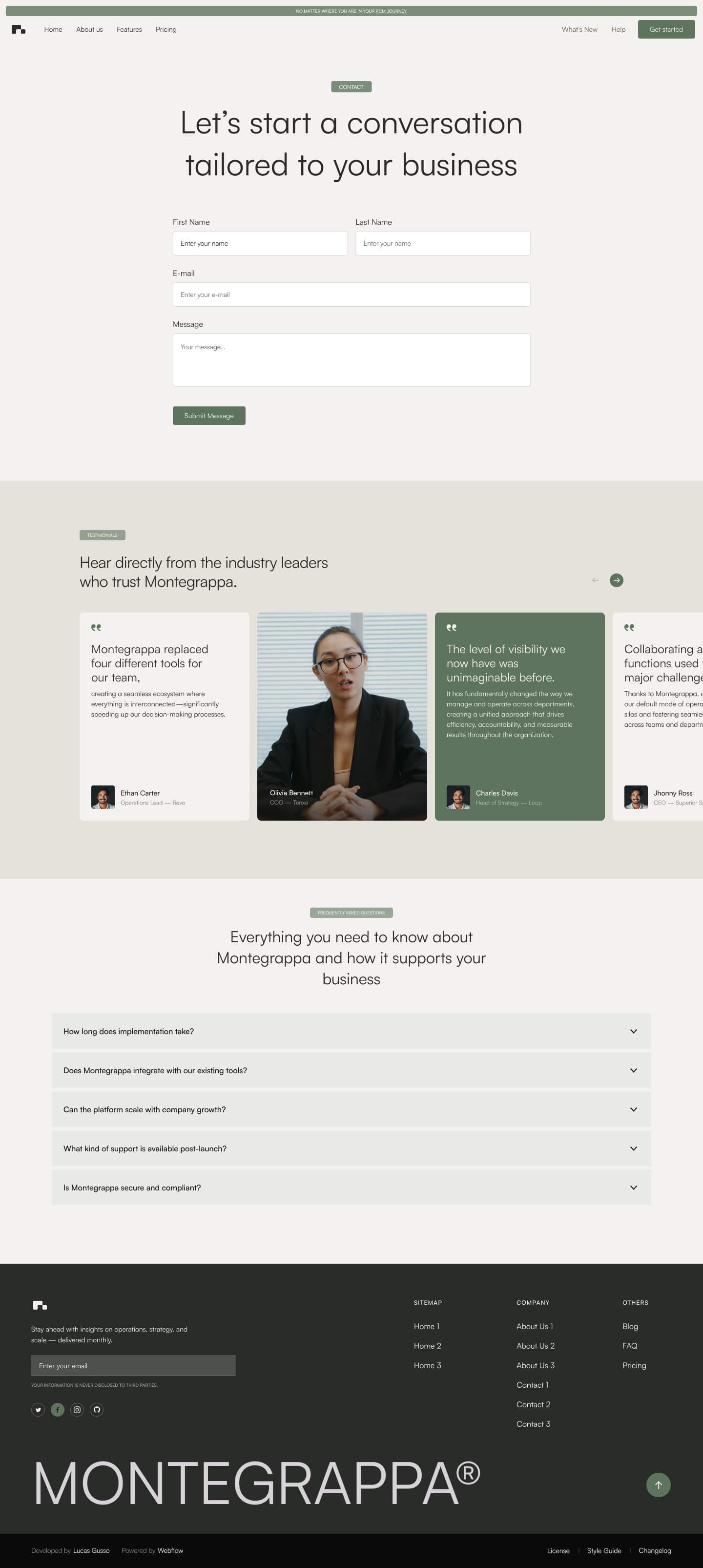
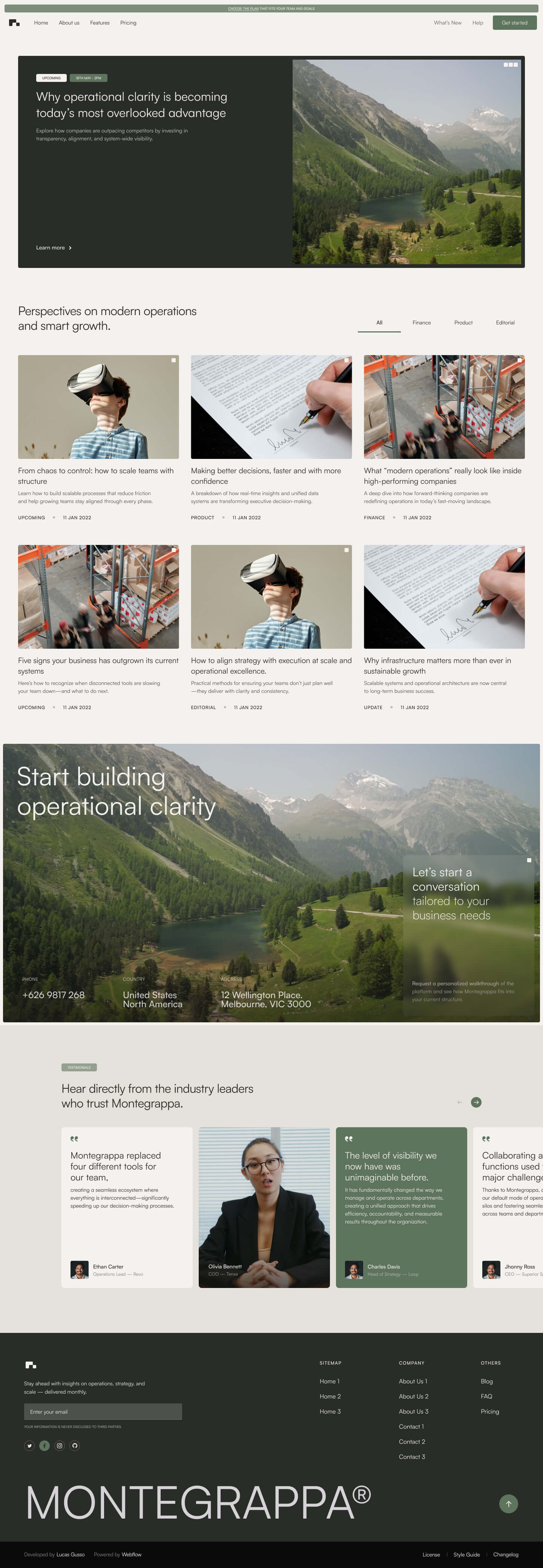
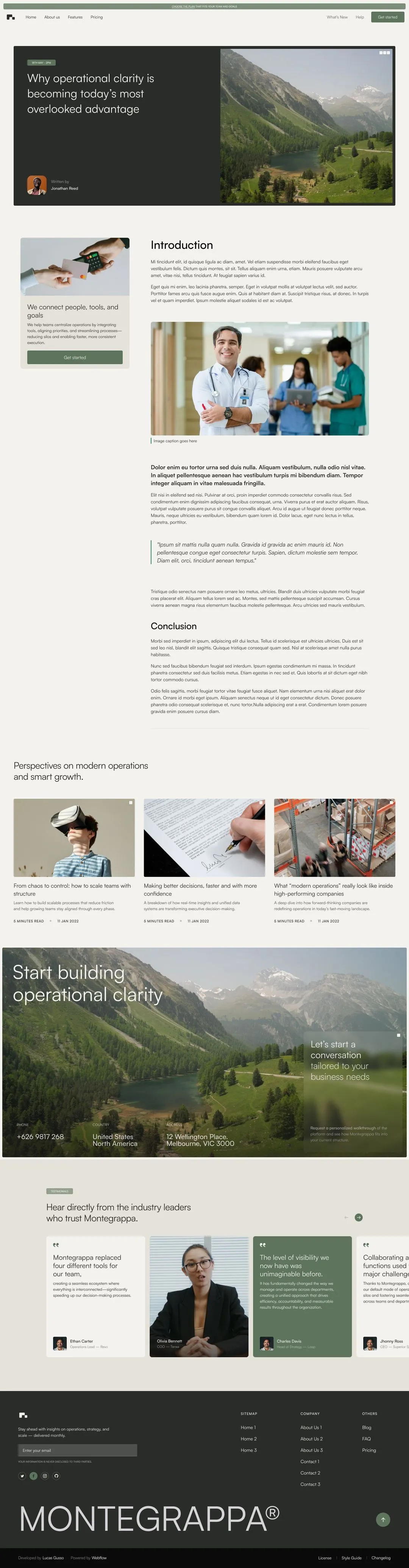
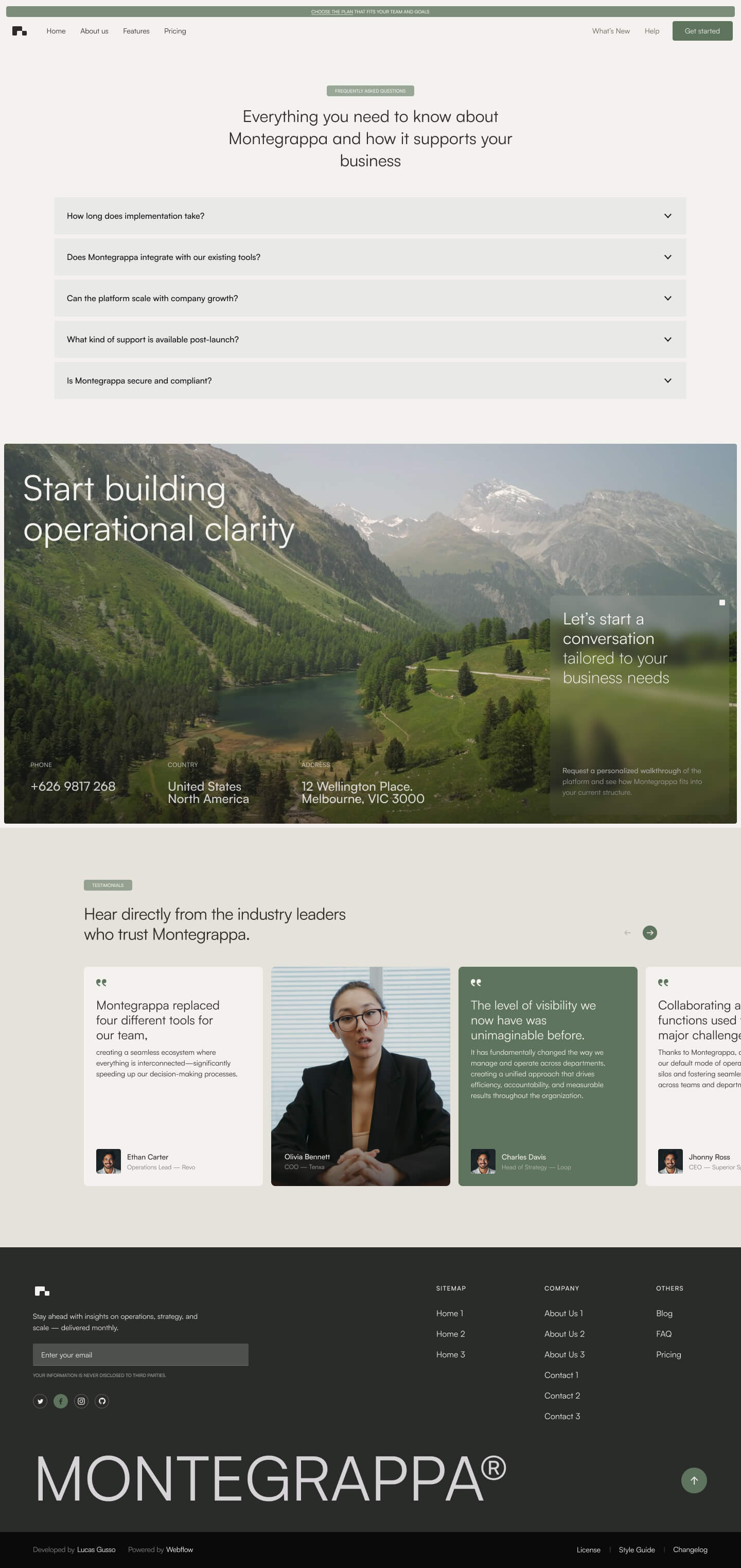
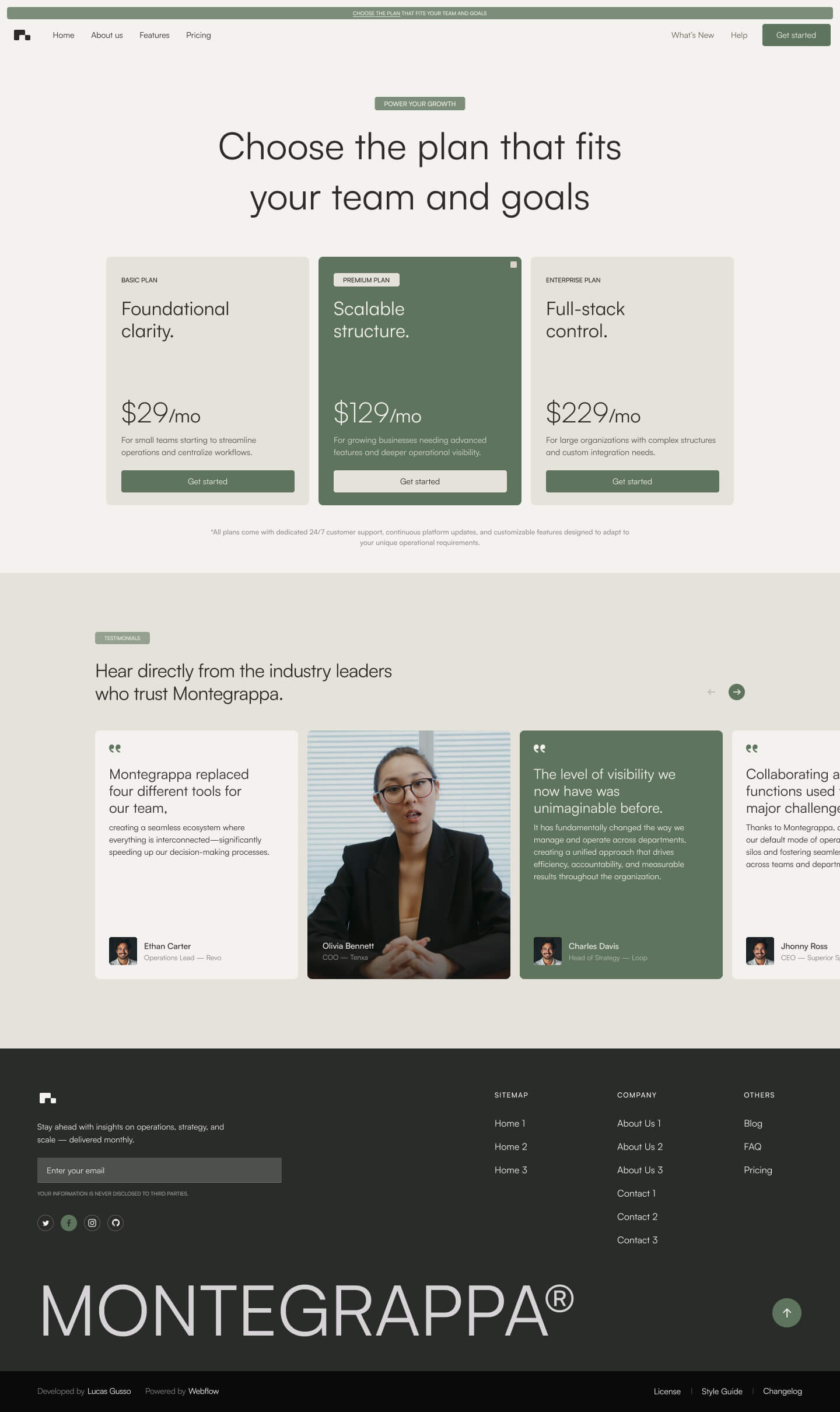
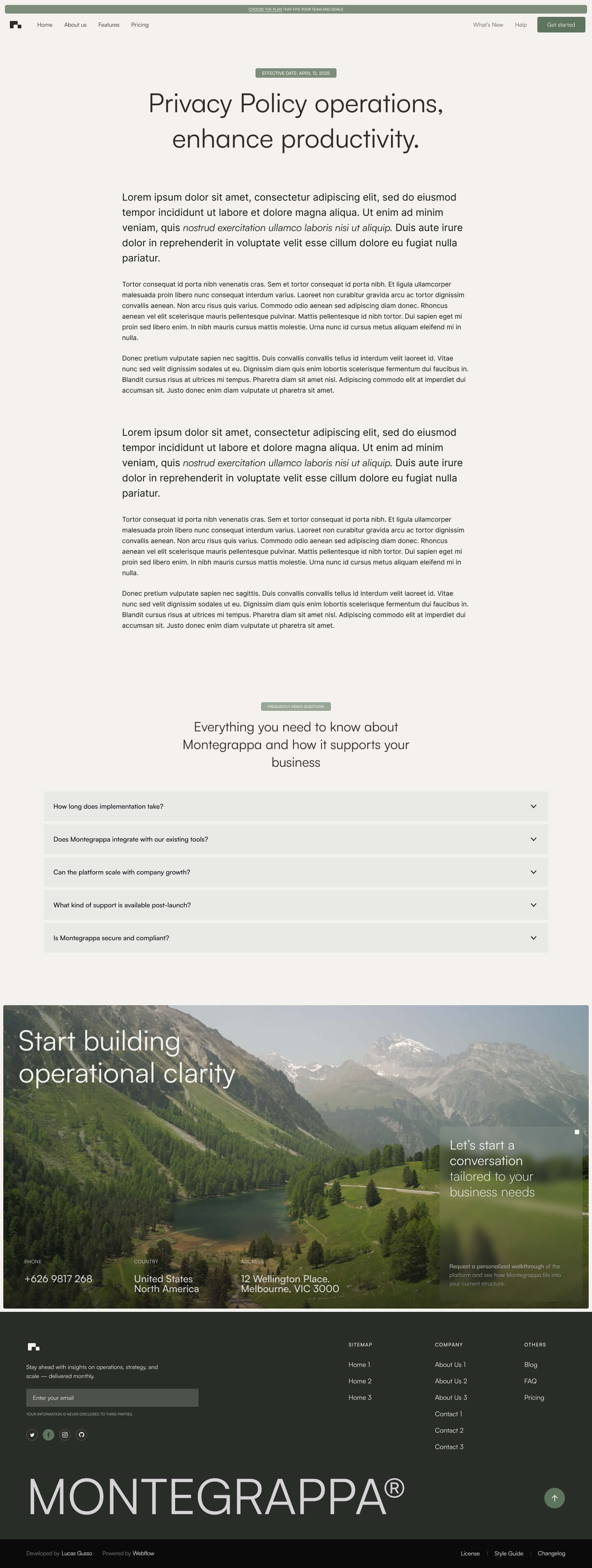
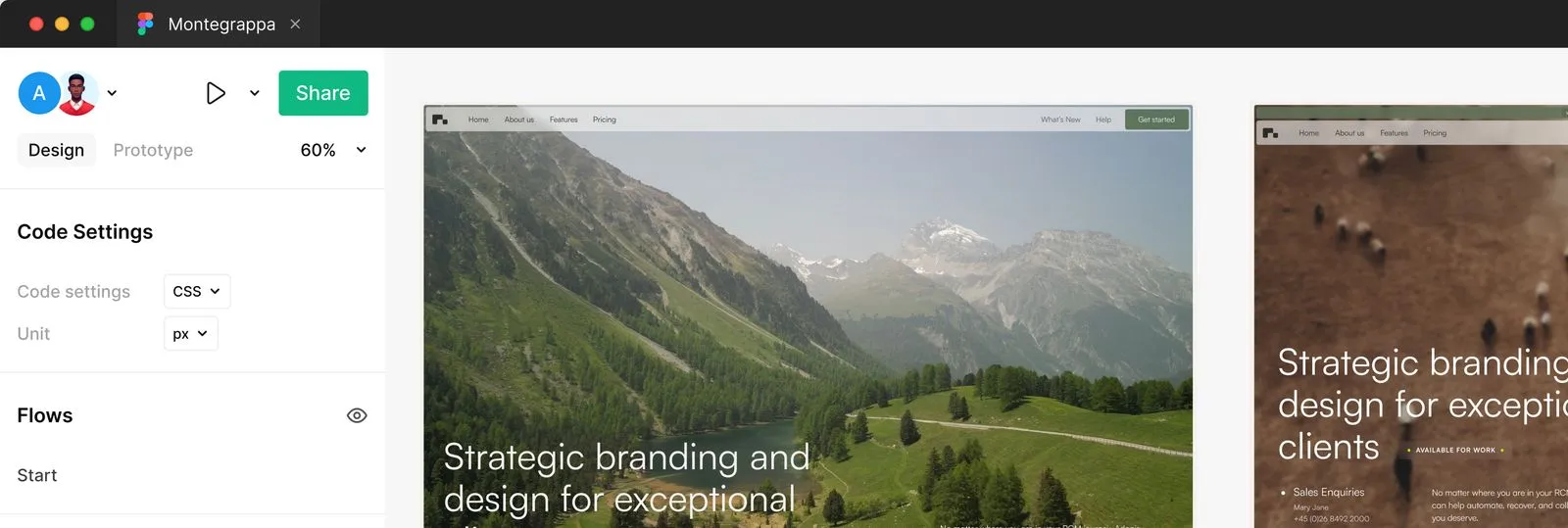
Get a closer look at every layout included in the Montegrappa Template. Each homepage variation is designed for clarity, flexibility, and performance—so you can choose the one that best fits your needs.






Send us an email to lucas.gusso@gmail.com with your purchase receipt, and we will send you the editable Figma file for the Montegrappa Template.
.svg)
Transforming Pediatric Healthcare by Anatomical Models

Context
3D printing has many useful applications in healthcare, and is a quickly developing area of research. In 2018, the Digital Lab introduced its 3D technologies (3DT) program, where models are used for diagnosis, planning and practicing surgeries, education, research, and more.
In this study, we evaluated the impact of our program in our clinical setting, and highlighted specific areas of impact in healthcare for kids. We also explored the beliefs of healthcare workers using 3D printing, and how they decided whether to use 3D models when caring for patients.
Process
We produced a survey with the goals of:
- identifying signs that 3D printing will be helpful in a specific area
- identifying trends in the use of 3D printing
- considering the views of healthcare workers towards 3D printing
- exploring if, how, and why healthcare workers choose to use 3D printing.
After every 3D printed case, we asked the healthcare workers who used the models (including doctors, radiologists, and surgeons) to participate in our survey and answer some questions about their experiences. After collecting responses, we analyzed results to better understand the impact and value of 3D printing.
Findings
We found that most of the 3D models in our study were used to help healthcare workers plan and prepare for surgeries. In this process, 3D models were most useful for specialists and surgeons. Our models were seen as accurate, and saved surgeons from the need to mentally model out parts when in the operating room. Almost all respondents said the 3D models were helpful to use, and added value to their work.
Publications & Resources
Exploring the value of three-dimensional printing & virtualization in paediatric healthcare: A multi-case quality improvement (Link)
Impact
Our study provides unique insight on the potential value of 3DT in a variety of clinical contexts, with insights from healthcare workers across different departments. This is important, as both the use of, and research surrounding 3DTs in healthcare are rapidly expanding. Our research offers new information that is useful in informing next steps on the use of 3D printing and modelling in healthcare, and evaluating its impact in cases where it has already been in use.