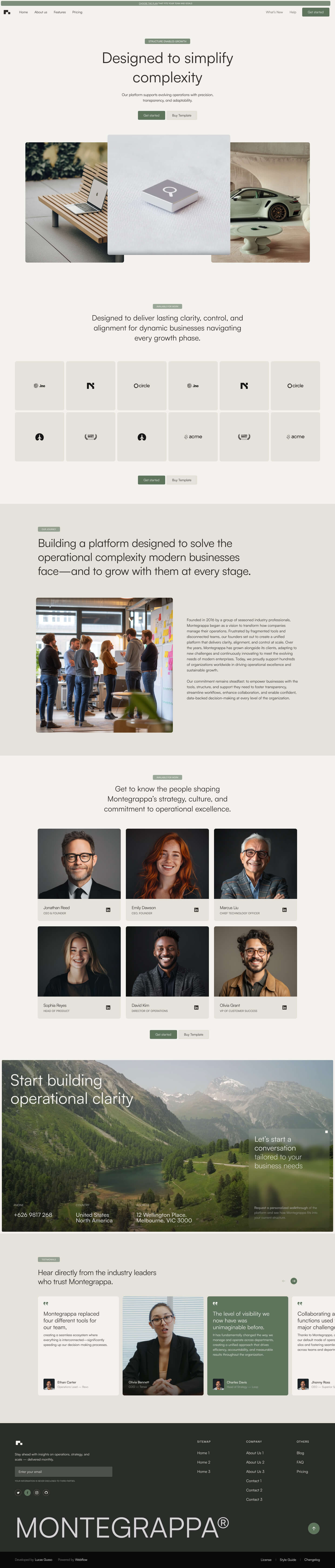
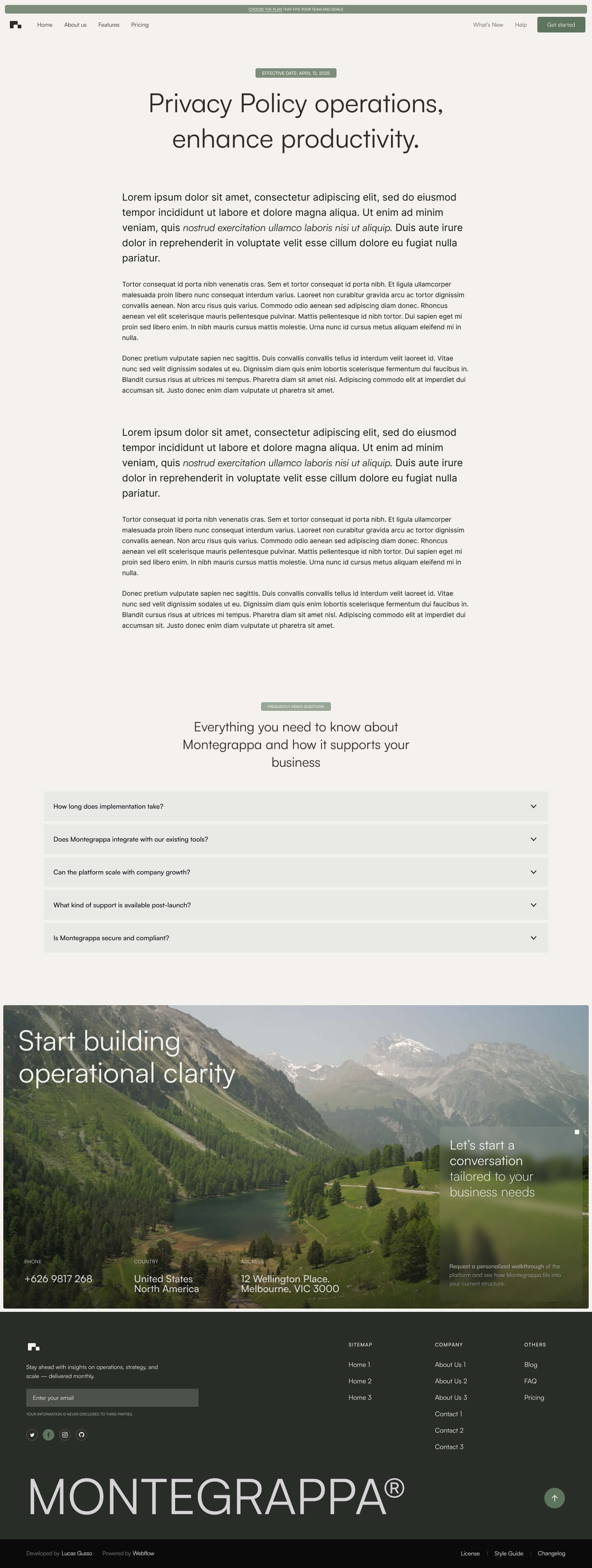
Get a closer look at every layout included in the Montegrappa Template. Each homepage variation is designed for clarity, flexibility, and performance—so you can choose the one that best fits your needs.












Send us an email to lucas.gusso@gmail.com with your purchase receipt, and we will send you the editable Figma file for the Montegrappa Template.
.svg)
Virtual Reality Exposure Therapy

Research
2020
Preparing Children for MRI Scans is Essential
MRI scans help diagnose numerous medical conditions, but while the procedure is painless, the enclosed space and unfamiliar noises can be intimidating for young patients. Approximately 50% of pediatric patients report high stress and anxiety prior to an MRI scan, which often leads to movement and reduces imaging quality. While sedation is sometimes used, it carries additional risks and increases waiting times. Traditional in-person preparation programs using replica machines or specialist guidance offer great benefits, but they are often limited in availability. Virtual reality provides an innovative solution by immersing children in a digital MRI environment to prepare them for the real experience.
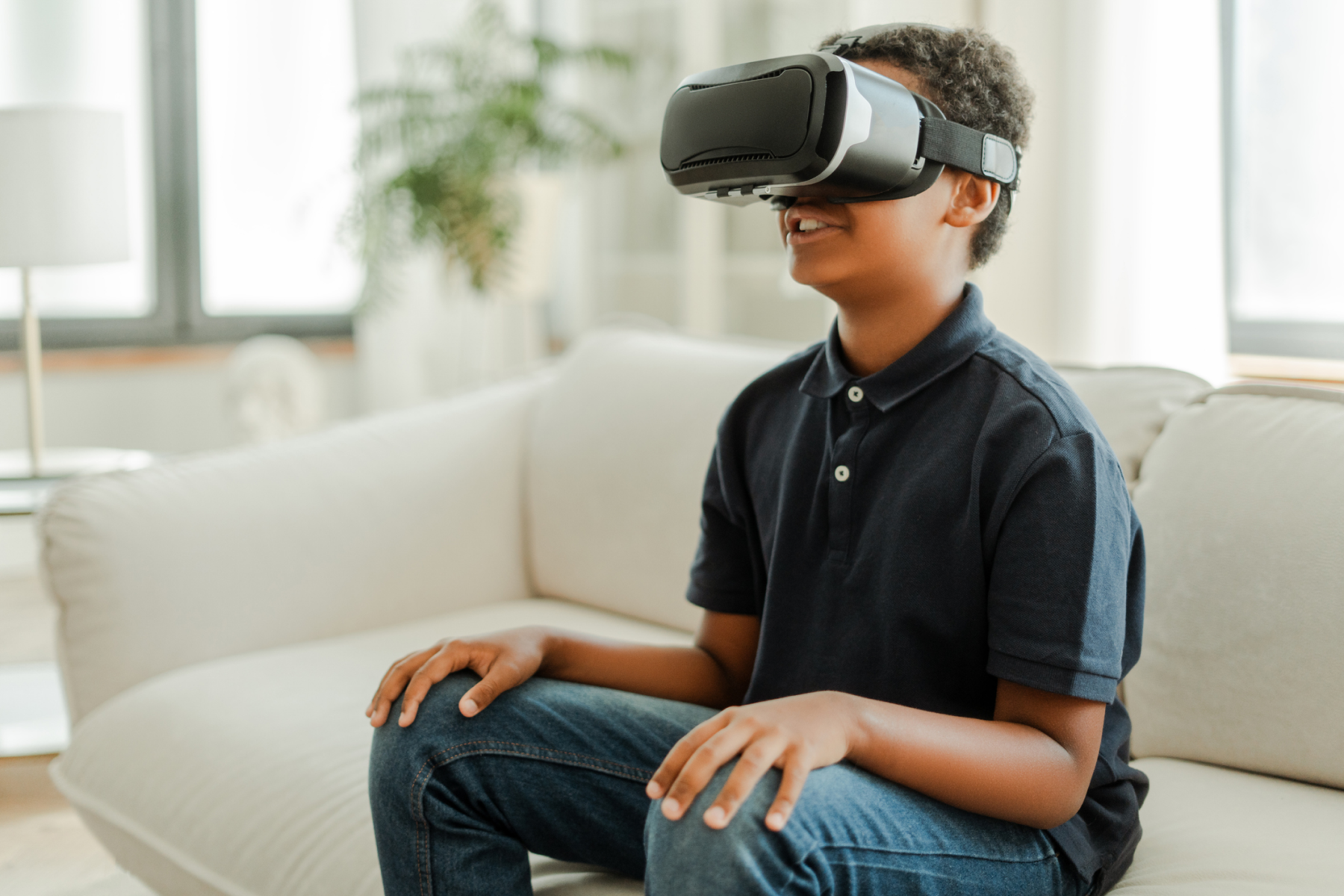
Designing an Immersive MRI Preparation Application
A mobile VR application was developed to prepare pediatric patients for MRI scans. Utilizing 360-degree capture technology and 3D simulation assets, the application exposes patients to every step of the MRI scan process and familiarizes them with the equipment, effectively reducing pre-procedural stress.
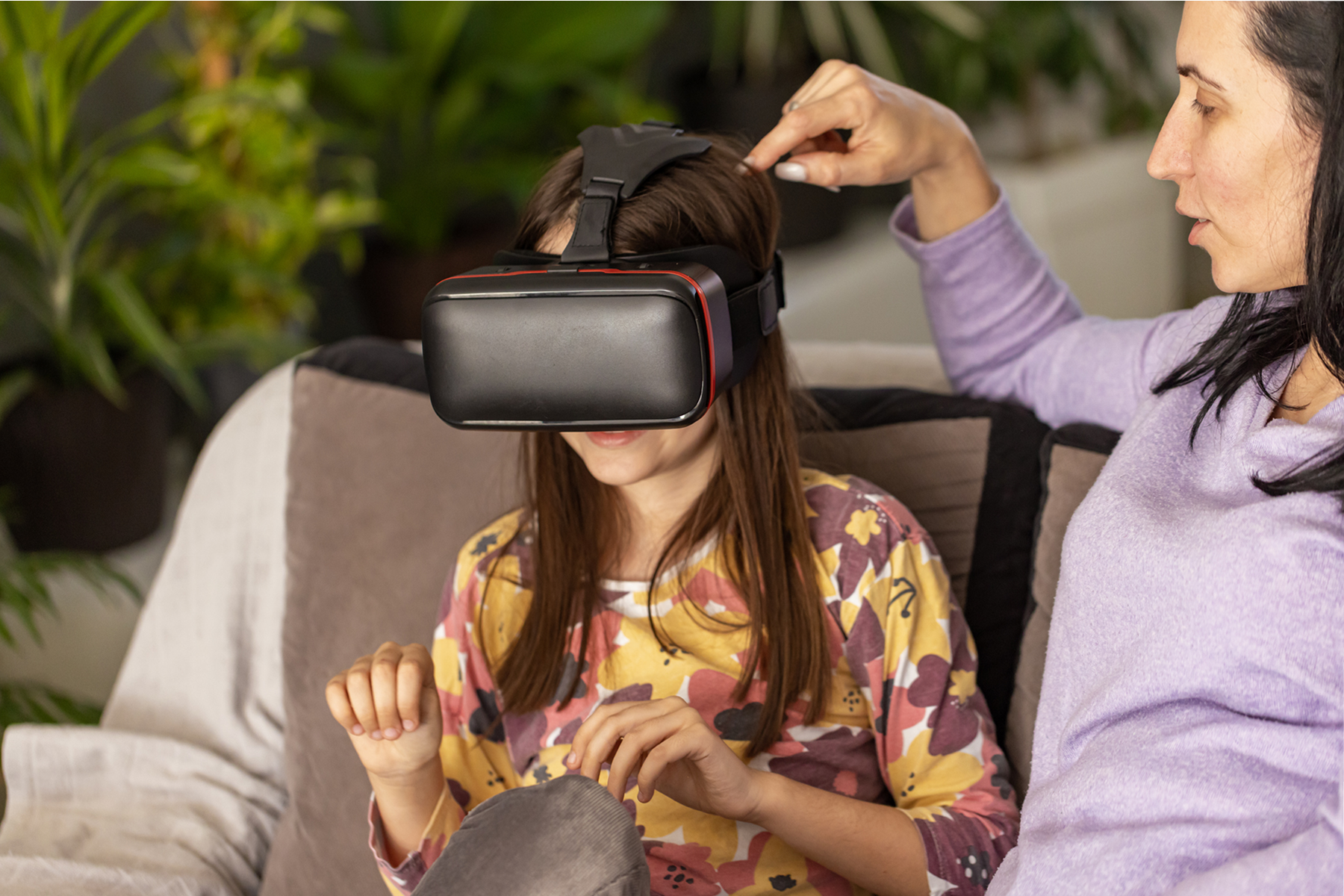
Within this immersive experience, patients are introduced to each phase of the scan and can watch a virtual peer safely complete a procedure, building familiarity and confidence. The platform offers high accessibility, as the VR simulation can be experienced on a standard mobile phone combined with a low-cost VR headset, enabling patients and families to use the application both in the hospital and at home.
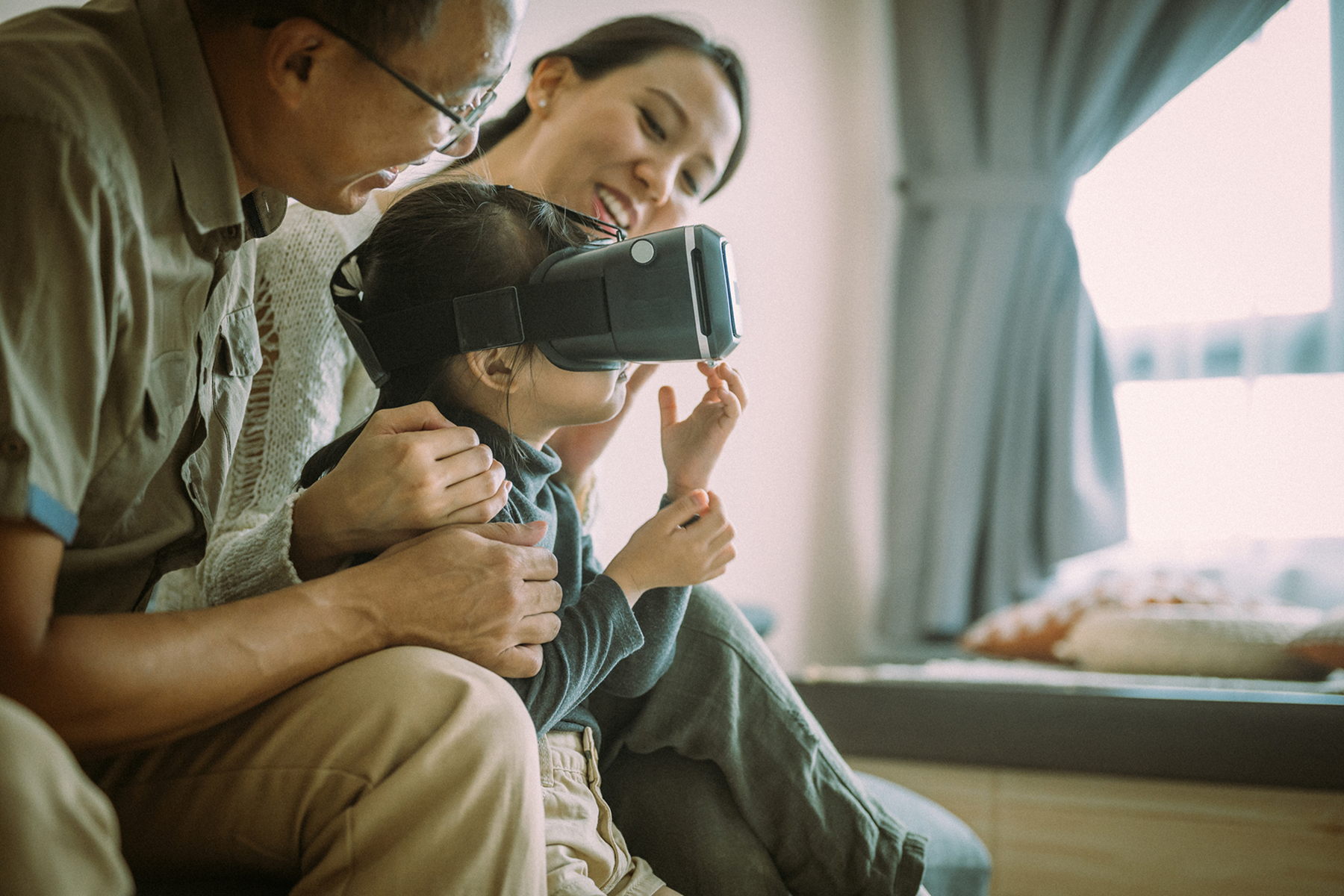
Following product development, its efficacy was evaluated through a comparative study against traditional in-person preparation methods to measure its impact on anxiety and motion reduction, while assessing the feasibility of broader deployment.
MRI Preparation Utilizing Virtual Reality is Effective
Evaluation of the VR preparation tool highlighted promising outcomes for future clinical adoption:
- VR-based preparation delivered MRI scan success rates comparable to traditional in-person guidance.
- Children found the interactive VR experience engaging and effective in preparing them for their scan.
- Caregivers appreciated the ability to observe the VR content in real time via a connected tablet.
This digital solution demonstrates that virtual reality can serve as an effective, highly accessible alternative to resource-intensive in-person preparation programs, helping improve patient outcomes and operational efficiency.